Transformed Urban Spaces

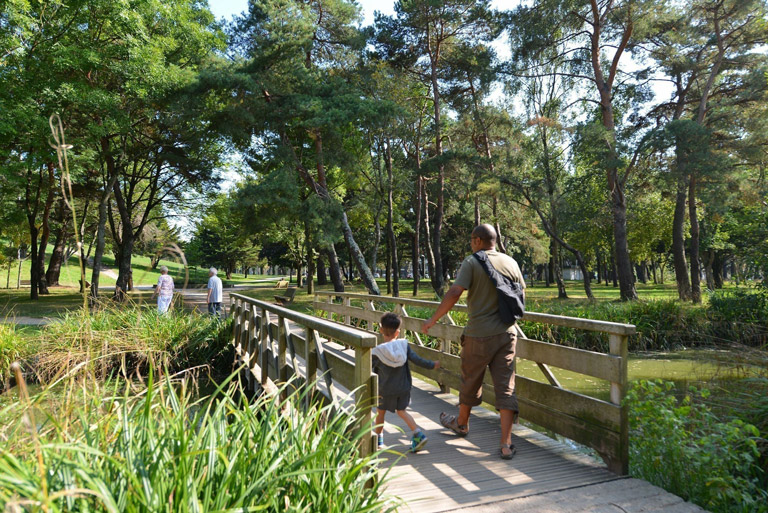
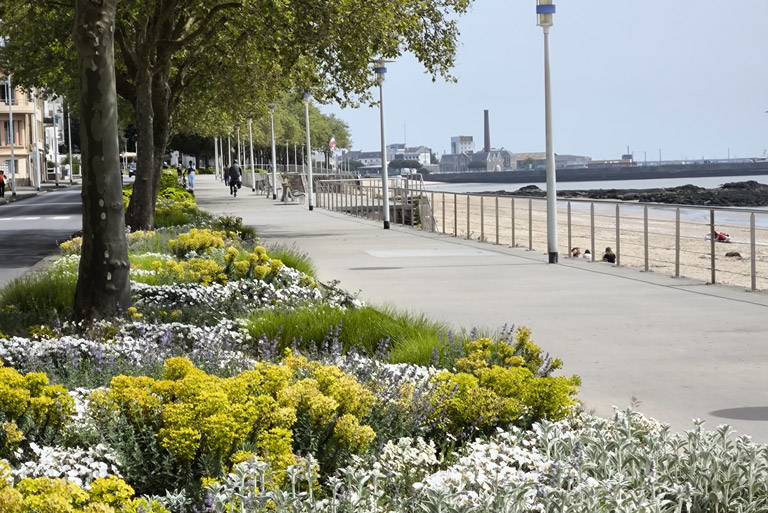
In Saint-Nazaire, the return of greenery is going hand in hand with urban transformation. Long focused on its port and industry, the city is now using nature as a driver of quality of life and ecological transition. The city has set out to green its public spaces—from its public housing neighborhoods to its major thoroughfares—by systematically integrating landscape and biodiversity into every development project.
From the urban micro-forest to the Kerarven Garden, including the redevelopment of the waterfront and the renovation of the Jardin des Plantes, each project contributes to reshaping a city that is more peaceful, more welcoming, and better equipped to face climate challenges.

Saint-Nazaire

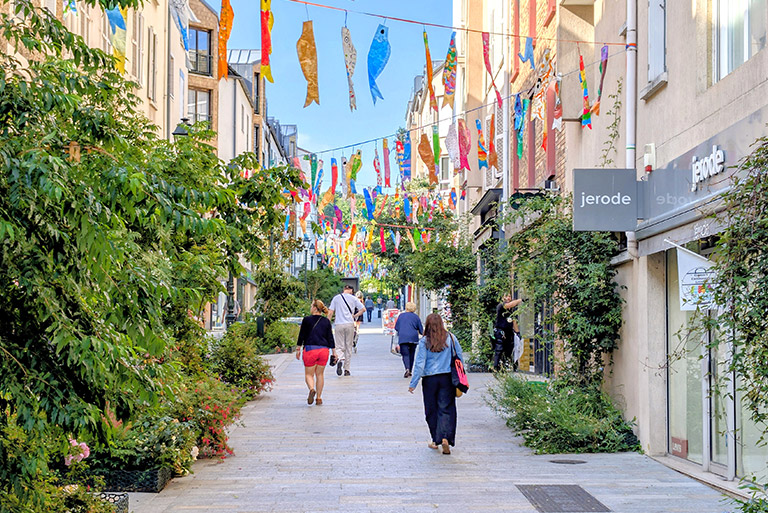
Just outside Paris, Clamart has radically reimagined its urban landscape to blend modernity with nature. Over the past decade, the city has undergone a transformation: former industrial sites have given way to exemplary eco-neighborhoods, such as Panorama and Grand Canal, where water and greenery now define the public space. The city center, the train station, and major thoroughfares have been de-paved, landscaped, and redesigned to create oases of coolness and promote sustainable transportation.
Clamart thus embodies a peaceful, sustainable, and welcoming city, where nature has regained its rightful place.

Clamart

Citizens Taking Action

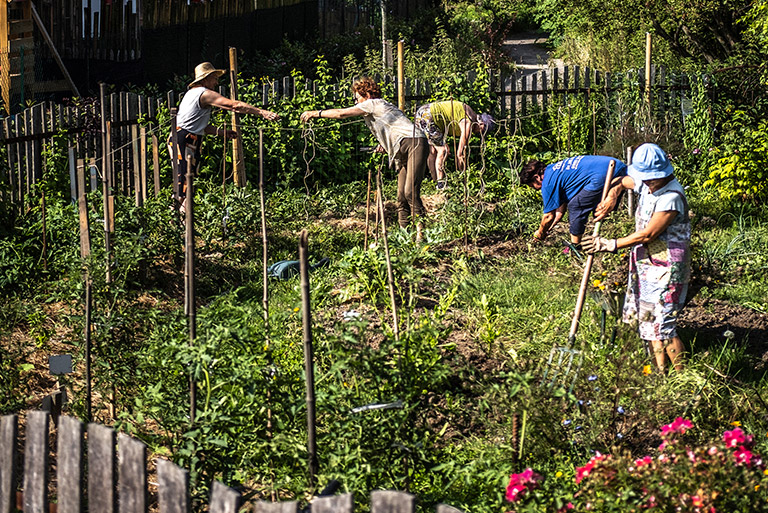
In Pau, nature in the city is a collective endeavor. For the past ten years, the city has used greenery as a means of fostering social connections by involving residents in the transformation of the urban landscape. Neighborhood consultations, “gardening permits,” and “gardening-friendly streets” allow Pau residents to get directly involved in greening more than fifty small public spaces throughout the city.
This participation is complemented by highly appreciated citizen-led initiatives: distributing trees to families, involving schools, daycare centers, and nursing homes in gardening projects, and supporting environmental organizations.
Pau thus exemplifies a strong conviction: a sustainable living environment is built with and for its residents.

Pau

In the Lille metropolitan area, Tourcoing places citizen participation at the heart of its ecological transition. Sixteen neighborhood councils help shape the city on a daily basis through participatory budgeting, greening projects, and initiatives to keep the city clean and beautify public spaces. These local efforts are driven by a strong sense of community, fostered by events such as “Tourcoing Goes Green” and “Tourcoing Plage,” which bring residents and organizations together around nature.
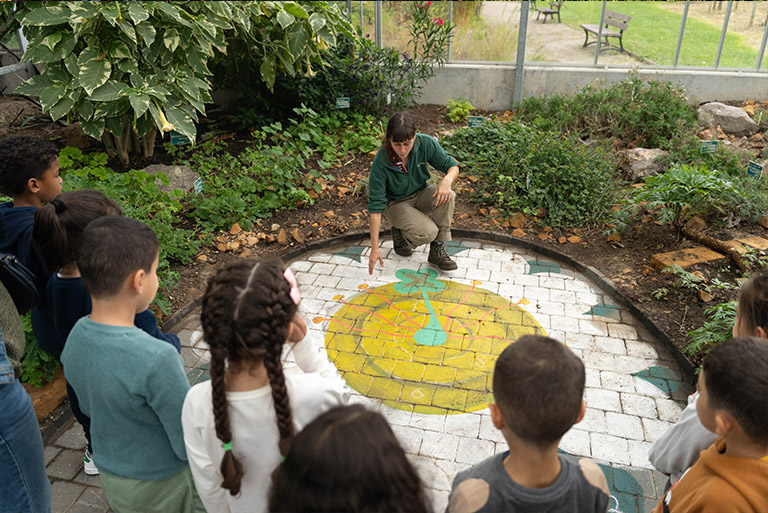
Awareness-raising begins at a very young age, with “Oasis” classes and educational ponds. Community gardens and urban orchards round out these efforts.
A collective effort that is bringing about lasting change in the city and strengthening the bonds between residents.

Tourcoing